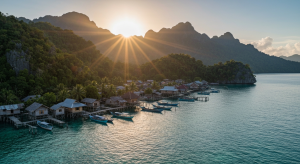
Luxury Indonesia Travel: Bali vs. Sumba for Your Escape
- Vibe: Bali is cosmopolitan and vibrant; Sumba is raw and spiritually resonant.
- Accommodation: Bali has a vast portfolio of five-star resorts; Sumba is defined by a few ultra-exclusive, world-renowned eco-lodges.
- Activities: Bali excels in dining, wellness, and culture; Sumba is for surfing, exploration, and authentic cultural immersion.
The humid air, thick with the scent of frangipani and clove-spiced kretek, is the first signal. You’ve arrived. But where, exactly, in this sprawling archipelago of 17,000 islands have you landed? The choice for the discerning traveler often distills down to two titans of Indonesian tourism, each offering a profoundly different interpretation of paradise. On one hand, Bali, the Island of the Gods, a name that resonates with decades of polished hospitality and spiritual allure. On the other, Sumba, a wilder, more enigmatic island lying an hour’s flight to the southeast, a place where ancient traditions are not a performance but the pulse of daily life. The debate of luxury Indonesia Bali vs Sumba isn’t about which is better, but which is right for you, right now. As arbiters of exceptional travel, we’ve explored the nuances of both to guide your decision.
The Vibe: Cosmopolitan Polish vs. Untamed Soul
Stepping off the plane at Denpasar (DPS) in Bali is to enter a well-oiled machine of luxury tourism. The energy is palpable, a thrum of international languages, chic beach clubs in Seminyak, and the serene hum of yoga shalas in Ubud. Bali is a known quantity, a destination that has refined its luxury offering over 50 years to an art form. Here, convenience is king. A private driver whisks you from the airport to your cliffside villa in Uluwatu in under an hour. World-class restaurants, high-fashion boutiques, and avant-garde art galleries are all within easy reach. It is a social, vibrant, and deeply beautiful island, but it is one you share. With over 6.3 million international visitors in 2019 alone, solitude is a commodity you must actively seek. For a comprehensive overview of the nation’s top-tier offerings, our Definitive Guide to Indonesia Luxury Travel provides essential context.
Contrast this with arrival at Sumba’s Tambolaka Airport (TMC). The air feels different—drier, carrying the scent of dust and savanna grass. The energy is slower, more elemental. Sumba is roughly twice the size of Bali but has a population of less than 800,000, compared to Bali’s 4.3 million. This is an island where the “vibe” is not curated by DJs and designers, but by the rustle of wind through tall grass, the thunder of hooves during the Pasola festival, and the quiet dignity of its people. The journey from the airport to a resort like NIHI Sumba takes 90 minutes along winding, rural roads, a transition that feels less like a transfer and more like a pilgrimage into a forgotten world. This is the essence of true indonesia luxury: not just comfort, but a rare and profound connection to place.
Luxury Sanctuaries: Global Brands vs. Singular Estates
In Bali, the luxury accommodation landscape is a veritable encyclopedia of five-star hospitality. The world’s most revered brands have staked their claims on its most desirable real estate. You can find the serene, architectural perfection of Amankila perched on a cliff overlooking the Lombok Strait, or the sprawling, family-friendly opulence of the Four Seasons Resort Bali at Sayan, a property that consistently ranks among the world’s best. Villas in Canggu and Seminyak offer private pools, personal butlers, and in-house chefs, with nightly rates for top-tier properties often ranging from $800 to $2,500. The island’s luxury is characterized by choice and scale. There are hundreds of properties that meet the highest standards, each offering a slightly different flavor of Balinese grace, from the wellness-focused retreats near Ubud to the surf-centric villas of the Bukit Peninsula.
Sumba operates on an entirely different paradigm. The island is not about choice, but about singularity. It is home to what many consider one of the greatest resorts on the planet: NIHI Sumba. With just 28 villas spread across 567 acres of pristine land, NIHI is a destination in itself. It’s famed for its private surf break, “Occy’s Left,” its world-class equestrian facilities, and its deep integration with the local community through the Sumba Foundation. A stay here is an all-encompassing experience, with rates starting around $1,500 per night. Beyond NIHI, the recent opening of Cap Karoso adds another jewel, blending brutalist architecture with Sumbanese craftsmanship on the island’s northwest coast. The luxury here is defined by space, privacy, and a philosophy of sustainability that is woven into the very fabric of the experience. It’s less a hotel and more a custodianship of a wild paradise.
Cultural Immersion: Ancient Rites and Modern Artistry
Bali’s culture is accessible, visually rich, and deeply integrated into its tourism experience. The island’s unique form of Hinduism is evident everywhere, from the daily canang sari offerings placed on sidewalks to the dramatic sea temples of Tanah Lot and Uluwatu. A trip to central Bali reveals the island’s artistic heart in Ubud, a town teeming with galleries, traditional dance performances, and artisan workshops. One of the most significant cultural landscapes is the Subak system, the island’s ancient cooperative irrigation network for rice paddies, recognized as a UNESCO World Heritage site in 2012. While deeply authentic, Balinese culture has been interacting with global tourism for a century, creating a polished, visitor-friendly experience. It is profound and beautiful, but rarely feels undiscovered. Exploring this mix is a cornerstone of any visit.
Sumba, by contrast, offers a cultural experience that is startlingly raw and immediate. The island is one of the last places on earth where a majority of the population still follows an animist religion, Marapu. This belief system, centered on ancestor worship, governs every aspect of life, from the dramatic, high-peaked traditional houses (uma mbatangu) to the intricate funerary rites. The island is famous for its Pasola festival, a ritualistic mounted battle between two teams of men hurling wooden spears, held annually in February or March. According to Indonesia’s official tourism site, it’s a spectacle of immense cultural importance, meant to spill blood on the earth to ensure a bountiful harvest. Visitors can also witness the creation of some of the world’s finest Ikat textiles, a process that can take years for a single piece. This is not culture as an attraction; it is the living, breathing soul of an island, and access to it feels like a rare privilege.
The Landscape: Volcanic Terraces vs. Savannah Wilds
The visual identity of Bali is iconic, almost a cliché of tropical beauty. Its landscapes are defined by shades of green, from the impossibly lush rice terraces of Tegallalang cascading down volcanic slopes, to the dense jungle ravines that cradle its sacred rivers. The island’s volcanic nature is ever-present, with the majestic cones of Mount Batur (1,717 meters) and Mount Agung dictating the topography. Its coastline is famously varied, offering the white sands of Nusa Dua, the black volcanic shores of the north, and the dramatic limestone cliffs of Uluwatu, pounded by some of the world’s most famous surf. Bali’s beauty is intimate and cultivated, a landscape shaped as much by human hands as by nature. It is a garden, exquisitely maintained and endlessly photogenic, a key reason it’s featured in so many guides to Indonesia luxury travel.
Fly 400 kilometers southeast to Sumba, and the color palette shifts from verdant green to gold and ochre. Sumba is an island of rolling savannahs dotted with cashews and palms, a landscape that feels more African than Southeast Asian. Its coastline is a revelation: vast, empty beaches of brilliant white sand meet turquoise water, often backed by dramatic limestone escarpments. Hidden waterfalls like Lapopu and Tanggedu carve their way through the arid terrain. While Bali’s beaches are lined with warungs and beach clubs, Sumba’s are utterly deserted, offering a profound sense of isolation and discovery. This is a wild, untamed landscape where herds of wild horses roam free. The experience is not one of manicured beauty, but of raw, elemental power—a powerful counterpoint in the luxury Indonesia Bali vs Sumba conversation.
Quick FAQ: Bali vs. Sumba at a Glance
Q: Which island is better for a first-time visitor to Indonesia?
A: For most first-time visitors, Bali is the more logical choice. It offers a gentler landing with its robust infrastructure, diverse activities, and wide range of luxury options. It provides a perfect introduction to Indonesian hospitality and culture. Sumba is better suited for the seasoned traveler seeking a more off-grid, profound experience.
Q: Which destination offers more privacy and exclusivity?
A: Without question, Sumba. The entire island is predicated on low-impact, high-end tourism. With only a handful of luxury properties and a landmass twice the size of Bali, you can go entire days without seeing another traveler. While Bali has exclusive villas, true seclusion on the island requires careful planning and is harder to achieve.
Q: How do travel logistics compare?
A: Bali is far more accessible, with dozens of direct international flights landing at Ngurah Rai International Airport (DPS). Sumba requires a connection, typically a 60 to 90-minute flight from Bali to one of its two airports, Tambolaka (TMC) or Waingapu (WGP). The top resorts on Sumba handle all on-island transfers seamlessly.
Q: Is there a significant difference in cost?
A: Yes. While Bali offers luxury at various price points, from $500 a night to over $5,000, Sumba’s luxury is concentrated at the very highest end. The entry point for a top-tier resort experience in Sumba is generally higher than in Bali, often starting at over $1,500 per night, but is typically more inclusive of experiences and dining.
Ultimately, the choice between Bali and Sumba is a reflection of your travel aspirations. Bali is the masterpiece, perfected and polished, offering the pinnacle of service, gastronomy, and wellness in a setting of striking beauty. Sumba is the frontier, a wild heart that promises not just a vacation, but an adventure—a chance to disconnect from the world and reconnect with something more elemental and true. Whichever you choose, you are engaging with the very best of what this diverse nation has to offer. For a deeper creating your perfect journey, explore our complete guide to indonesia luxury.